Best Colored Pencils for Beginners – Top 7 Picks
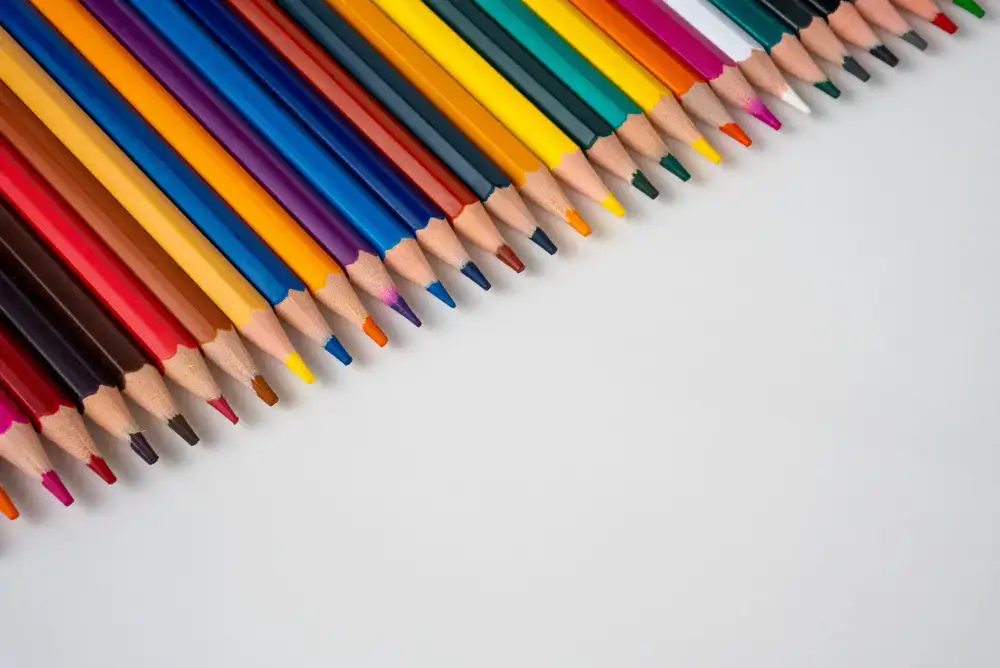
Standing in front of a wall of colored pencil sets for the first time is a genuinely confusing experience. Every brand makes similar promises about vibrant colors and smooth performance, the price range stretches from a few dollars to well over a hundred, and the packaging rarely tells you anything useful about how the pencil actually feels to use.
Most beginners don’t need artist grade pencils right away. What matters in the early stages is finding a set that layers smoothly, holds a sharp point without snapping, and gives you enough color variety to practice properly. Getting those basics right makes a bigger difference than brand name.
After trying a few sets side by side, the differences become easier to notice pretty quickly. Some pencils drag against the paper no matter how much pressure you use. Others layer so smoothly that practicing actually feels relaxing instead of frustrating. The picks below are the kinds of sets that make learning easier instead of a challenge.
What to Look for in Colored Pencils for Beginners
Before getting into the picks, it helps to understand the few things that actually separate a good beginner pencil from a frustrating one.
Core Softness
The two main pencil types are wax based pencils and oil based pencils, and they behave quite differently. Wax based pencils have a softer, creamy texture that makes them easier to blend right away, which is why most beginner recommendations lean toward them. Oil based pencils are slightly firmer, which means they hold a sharp point longer and tend to produce less wax bloom over time.
Wax bloom is the faint waxy film that can appear on heavily layered wax-based work. A light buff with a kneaded eraser or soft cloth removes it easily, but it’s worth knowing about so it doesn’t catch you off guard the first time it appears.
Pigmentation and Coverage
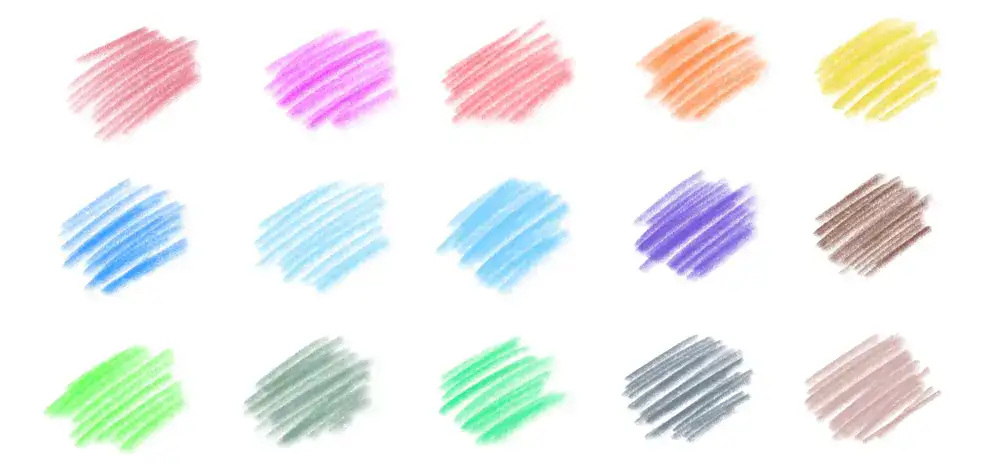
Pigment density makes a bigger difference than most beginners expect. Cheap pencils often contain more filler than pigment in the core, which means colors look pale no matter how hard you press. Pencils described as highly pigmented, or with a smooth, creamy texture, deliver richer color with lighter pressure. That makes the entire process more satisfying and easier to control.
Price vs. Set Size
A very large set at a very low price is almost always a trade-off against quality. A 24-count set from a reliable mid-range brand will generally outperform a 72-count budget set because each pencil actually delivers the color it shows on the barrel. Starting with a smaller, higher-quality set teaches you more than a huge color range of weak, washed-out colors. Once you understand how you work, expanding your color range makes much more sense.
Our Top 7 Picks
These seven picks cover a range of budgets, core types, and approaches. Most are wax based, with one oil-based option included for comparison.
1. Prismacolor Scholar
The Prismacolor Scholar set is the entry-level line from one of the most recognized pencil brands, and it’s one of the most consistently recommended starting points for good reason. The soft core makes layering feel natural, colors blend with light pressure, and the pigment quality is noticeably stronger than most sets in the same price range.
The Scholar doesn’t have the full color range of the Prismacolor Premier colored pencils, but for someone still building their technique, what it offers is more than enough. The first time I used them on heavier paper, the colors looked noticeably richer than the cheap classroom-style pencils I’d been practicing with.
The soft core feel is similar to the Premier line, so if you choose to step up later, the transition is comfortable. It works well for adult coloring books, practice pages, or just learning how blending actually works.
2. Arteza Colored Pencils
Arteza is one of the most popular budget options available, and their sets offer genuinely decent quality for the price. The texture can feel slightly rough on certain papers. On Strathmore colored pencil paper or a similar medium-weight surface, they lay down much more cleanly.
The pigment is stronger than most in this range, the cores are reasonably soft, and the large set sizes make it easy to have a wide color range without spending much.
They are the kind of pencils that make it easy to sit down and practice for an hour without worrying about using up expensive materials too quickly. Arteza is a practical and forgiving pick.
3. Ohuhu Colored Pencils
Ohuhu is a brand that keeps showing up in beginner recommendations, and the value is easy to understand. Their sets are oil based, which means slightly firmer cores, less wax bloom, and a longer-lasting sharp point compared to softer wax-based options. The pigment is solid for the price, and the color range in their larger sets is genuinely wide.
The firmer core makes them well-suited for fine details and controlled line work. They’re also break resistant compared to softer wax-based pencils, which matters when you’re still figuring out sharpening pressure. If softer wax pencils feel messy or hard to control, these tend to feel a little easier to manage right away.
For those wishing to explore a large set of colors without a high price range commitment, Ohuhu is a reliable starting point.
4. Faber-Castell Goldfaber
Faber-Castell is one of the most respected names in art supplies, and the Goldfaber is their student-grade line that sits noticeably closer to professional quality than most picks in this list. These are wax based pencils with well-balanced pigment density, which means you don’t need to build many layers to reach real depth. They also hold a sharp point better than most softer pencils.
The cores have a smooth, creamy texture and blend beautifully, with rich color saturation that shows up clearly even with light layering. I remember noticing how much less effort it took to get smooth shading with these compared to cheaper sets that needed repeated layering just to look even.
If you want to learn proper blending technique from the beginning, the Goldfaber justifies the slightly higher price. Faber-Castell also makes the Polychromos, their professional oil-based line, but the Goldfaber is the right starting point before making that investment.
5. Crayola Colored Pencils
Crayola colored pencils are where most people start, and they’re still a reliable first introduction for younger beginners or anyone looking for a low-stakes entry point. A lot of people probably still remember the familiar waxy smell when opening a new Crayola box at school or at the kitchen table growing up.
The improvement becomes very obvious once you step up to a proper student-grade set, which can actually be a motivating reminder of how much pigment matters. The cores are durable, the colors are bright, and replacement sets are inexpensive and easy to find.
The pigment isn’t as rich, and blending is more limited compared to the other options here. For a child just learning to color, or for a person experimenting with the hobby before committing to anything more serious, they work well.
6. Derwent Academy
Derwent is a long-established British pencil brand, and the Academy line is their beginner-facing range. The cores are on the harder side compared to Prismacolor or Faber-Castell, which means they stay sharp for longer and produce clean, precise lines. That makes them particularly well suited for detailed work and careful shading.
The trade-off is that harder pencils require slightly more pressure to build rich color, and smooth blending takes more patience. They’re less immediately forgiving than softer options, but they encourage more controlled technique from the start. People who naturally sketch lightly or enjoy slower, more detailed coloring pages often end up liking these more than they expect.
Derwent also makes the Artists and Lightfast professional lines, so there’s a clear path to upgrade within the same brand family if you choose to.
7. Castle Art Supplies
Castle Art Supplies sets are consistently among the most purchased beginner options online, mostly because they offer wide color ranges at an affordable price. The quality is comparable to Arteza: workable pigment, a reasonable feel on the page, and enough variety to experiment with skin tones, backgrounds, and detail work without constantly running out of a particular shade.
These aren’t the right choice if the goal is professional artwork, but they’re useful when you’re still figuring out what kinds of colors and styles you actually enjoy working with. Having a large range to play with can make experimenting feel much less restrictive in the beginning.
How to Choose the Right Set for You
The best pick depends on where you are and what you want from the experience.
For a first set that’s forgiving and easy to work with, the Prismacolor Scholar or Arteza are both reliable options. The cores are soft, the colors are workable, and neither will feel like a limitation while you’re still building confidence.
For the lowest upfront cost with a wide color range, Ohuhu or Castle Art Supplies make practical sense. If you’re starting out but want to practice more seriously from the beginning, the Faber-Castell Goldfaber is worth the extra spend. The difference in smooth texture and color saturation shows up in your work quickly.
Crayola is the clear answer for young beginners or completely casual use. Derwent Academy suits people who prefer detailed, precise work over loose blended styles.
A lot of this comes down to what feels enjoyable in your hand after twenty or thirty minutes of coloring. Some people immediately prefer softer pencils. Others really prefer the control that comes from a firmer point. The “best” set usually ends up being the one that makes you want to keep practicing.
Personal preference plays a bigger role than most guides admit. Many pencil brands sell individual pencils separately, so once you have a feel for what you like, picking up a few singles from different lines is the most direct way to compare before committing to a full set.
Tips to Use When Coloring
These tips apply regardless of which set you choose. Most come down to habit and patience more than technique, and a few will make a noticeable difference from the very first page.
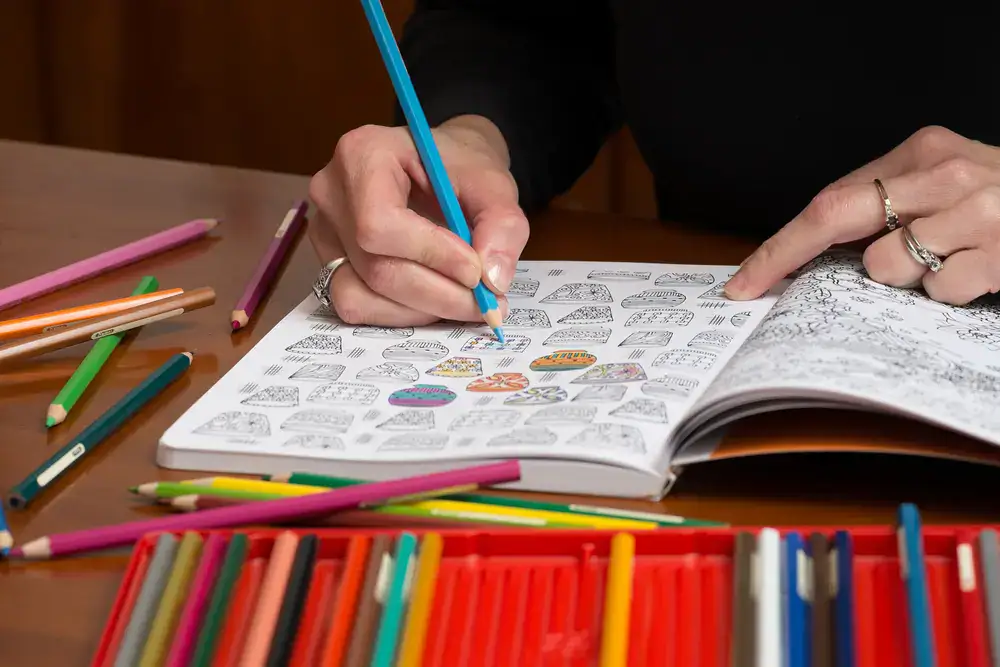
Start with Light Layers
The most common beginner habit is pressing too hard too soon. Starting light and building up many layers gradually gives much more control over the final color. The paper holds more pigment when there’s still tooth left in the surface, and slow layering makes blending far easier. The first time I actually committed to a light-first approach, the result was noticeably smoother than anything I’d managed before.
Pressure Changes Everything
It’s easy to overlook how much variation you can get just by adjusting pressure with the same pencil. Light pressure creates soft, airy tones. Heavier pressure gives dense, saturated coverage.
Doing a few quick pressure tests on scrap paper before starting a page saves a surprising amount of frustration later. Darker colors, especially, can become too heavy very quickly.
Practicing this on a scrap piece before starting a real page is a quick way to understand what your pencils are capable of. This is one of those colored pencil skills that develops fast once you start paying attention to it.
Blend with a White Pencil First
Before reaching for any blending tool, try pressing a white pencil over an area you want to smooth out. It softens the texture and helps merge the colors already on the page, especially in lighter areas and midtones. The first time I tried it, it felt almost too simple. But it works consistently, and it doesn’t require anything extra.
Keep Your Pencils Sharp
A dull tip makes it hard to control where color lands and nearly impossible to add fine details. Keeping a consistently sharp point is one of the simplest adjustments that immediately improves results.
Early on, I ruined more than one small detail just because I kept trying to stretch a dull tip for another few minutes instead of sharpening it.
A basic handheld sharpener works fine, but softer wax-based cores benefit from a good electric sharpener since it reduces the risk of breaking the core during sharpening.
Try a Different Paper
The paper you use changes how every pencil performs. Strathmore colored pencil paper has a slight texture that grips pigment well and is a solid general starting point. Bristol vellum gives a smoother surface that suits detailed line work. Even black paper creates striking results with lighter or white pencils. Experimenting with different surfaces early on teaches you more about your pencils than almost anything else.
Practice on Coloring Pages
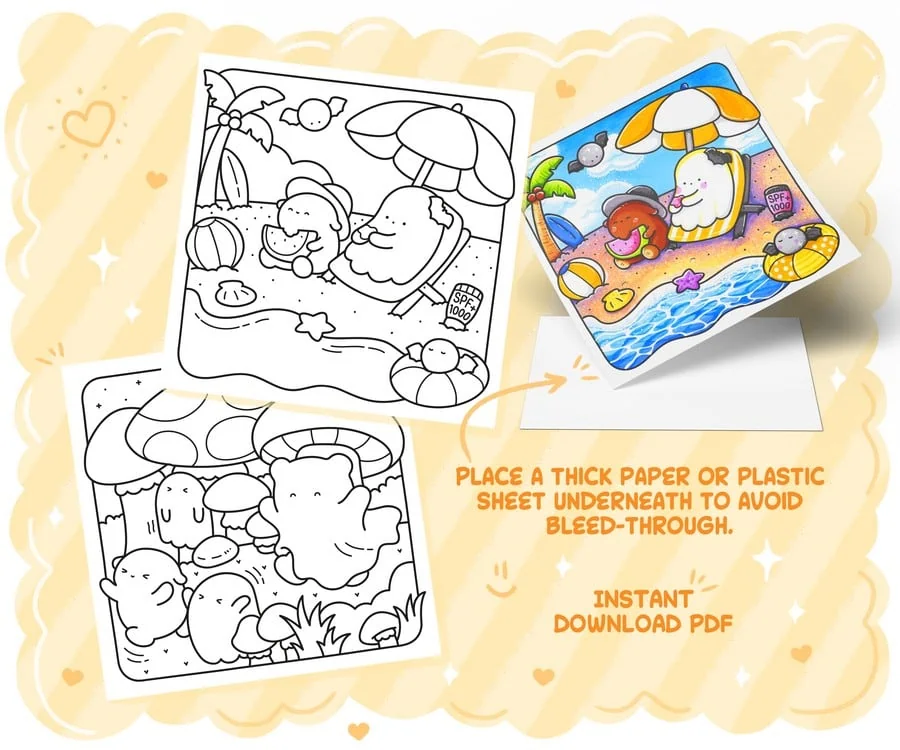
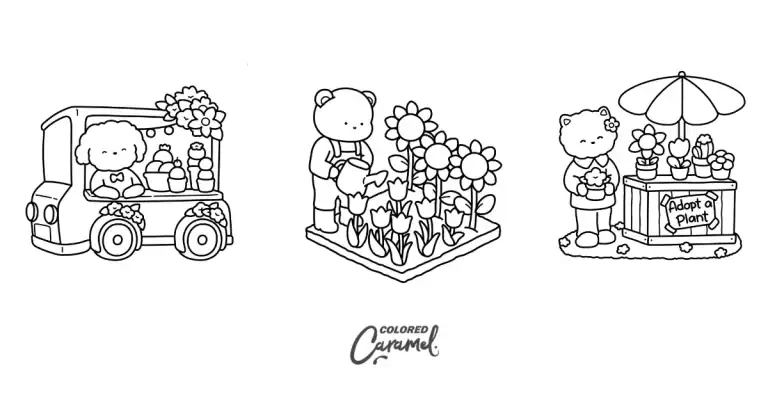
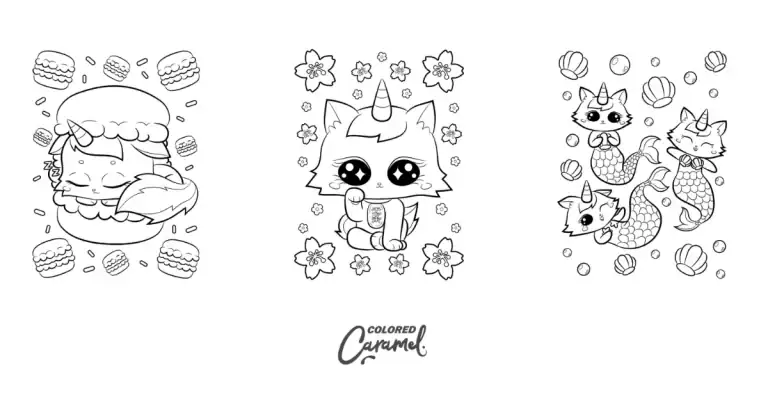
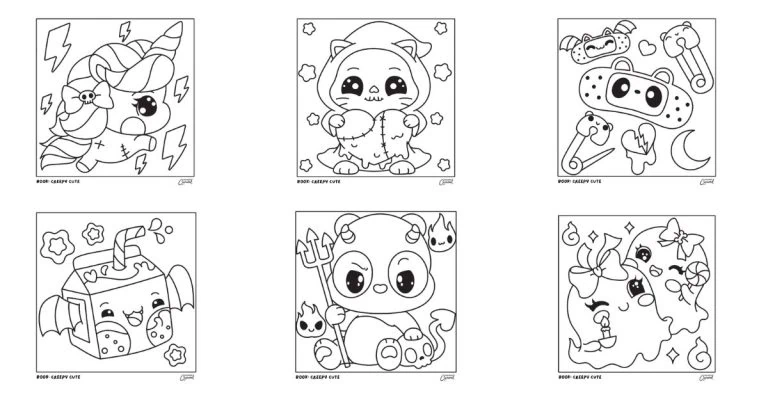
Coloring pages are genuinely useful for building technique. The outlines are already there, which means you can focus entirely on color, pressure, and blending without worrying about drawing. It also removes some of the pressure of trying to create an original piece while you’re still learning basic control.
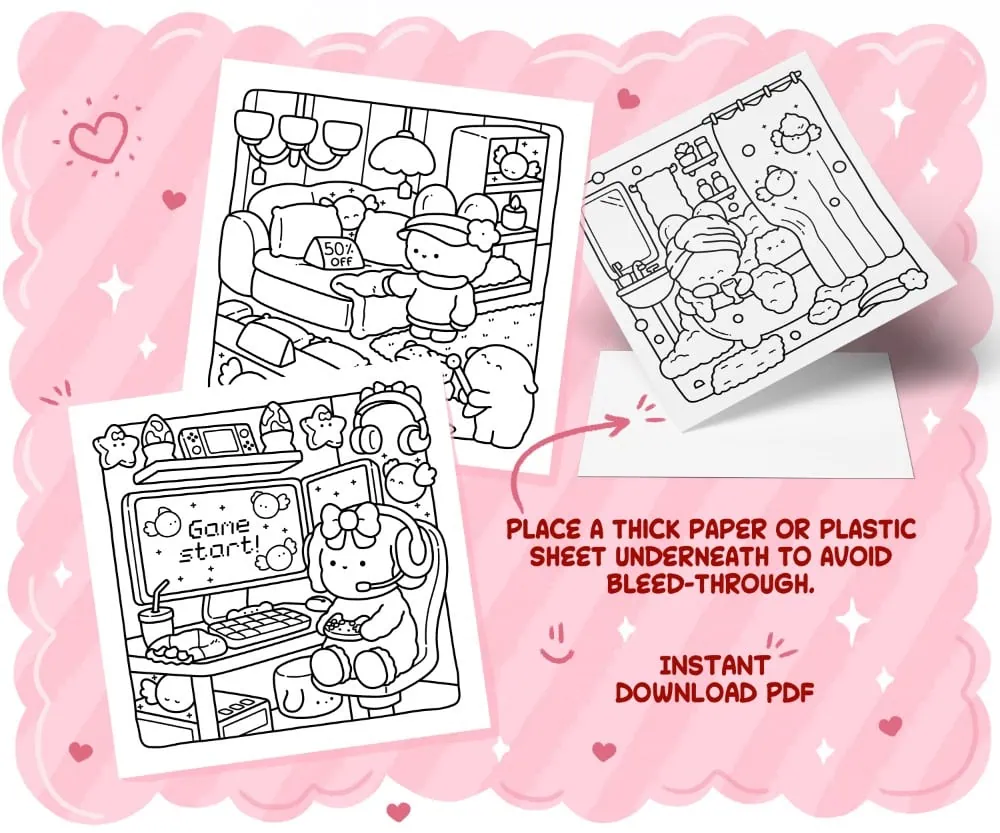
Free printable coloring pages on Colored Caramel are a good place to start, especially if you want clean outlines with enough space to practice properly.
Frequently Asked Questions
A few questions that come up regularly when choosing or starting with colored pencils for the first time.
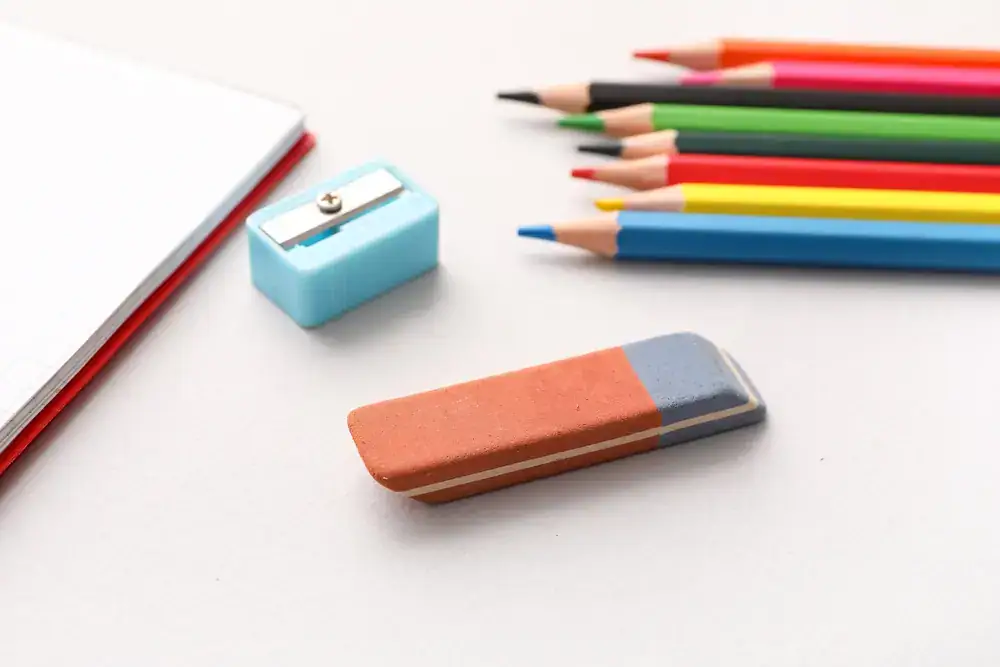
Can I use colored pencils on regular printer paper?
You can, but printer paper is smooth and thin, which means it doesn’t hold pigment well. Colors tend to look pale, layering becomes difficult quickly, and the paper can pill if you work over it too much. Switching to a basic drawing paper or sketch pad makes a noticeable difference in how the pencils behave.
What is the difference between watercolor pencils and regular colored pencils?
Watercolor pencils are designed to dissolve with water. You can use them dry like regular colored pencils, or go over them with a wet brush to create a soft, painted effect. Regular colored pencils don’t react to water at all. If you’re learning pencil technique from scratch, starting with regular colored pencils is simpler before adding a second medium into the process.
Do I need a blending stump or tortillon?
Not at first. A white pencil or a colorless blending pencil can achieve smooth, natural results on most beginner-friendly papers without any extra tools. Blending stumps become more useful once you’re working with softer cores on textured paper and want more precise control over large areas. Starting without one is completely fine.
Can colored pencil marks be erased?
Lightly applied color can be lifted with a kneaded eraser, though it rarely disappears entirely. Heavier layers are much harder to remove and often leave a stain in the paper. Working lightly until you’re confident in the color placement, then building up gradually, is the most reliable way to keep your options open.
Final Thoughts
There are solid colored pencils at nearly every price point, and starting with the best colored pencils for beginners doesn’t require a large budget. The Prismacolor Scholar and Arteza sets are both strong starting points that won’t feel like a limitation as your skills develop. The Faber-Castell Goldfaber is the pick if you want to begin with something closer to artist quality without fully crossing into professional pricing.
Whatever you choose, the technique you develop matters more than the brand on the barrel. Light layers, consistent sharpening, and patience with the process will take you further than any particular set. Start with what fits your budget, practice regularly, and upgrade when you actually feel the need.
Key Takeaways
- Wax based pencils are softer and blend more easily, making them more forgiving for beginners. Oil based pencils hold a sharp point longer and produce less wax bloom.
- Pigment quality matters more than set size. A smaller, higher-quality set will teach you more than a large set of pale, weak colors.
- Prismacolor Scholar and Arteza are reliable all-around beginner picks. Faber-Castell Goldfaber is worth the step up if smooth blending is a priority from the start.
- Start with light layers, keep your pencils sharp, and practice on coloring pages before working on more complex projects.
- Paper makes a real difference. Strathmore colored pencil paper and bristol vellum both outperform regular printer paper for pencil work.
Featured Products
-

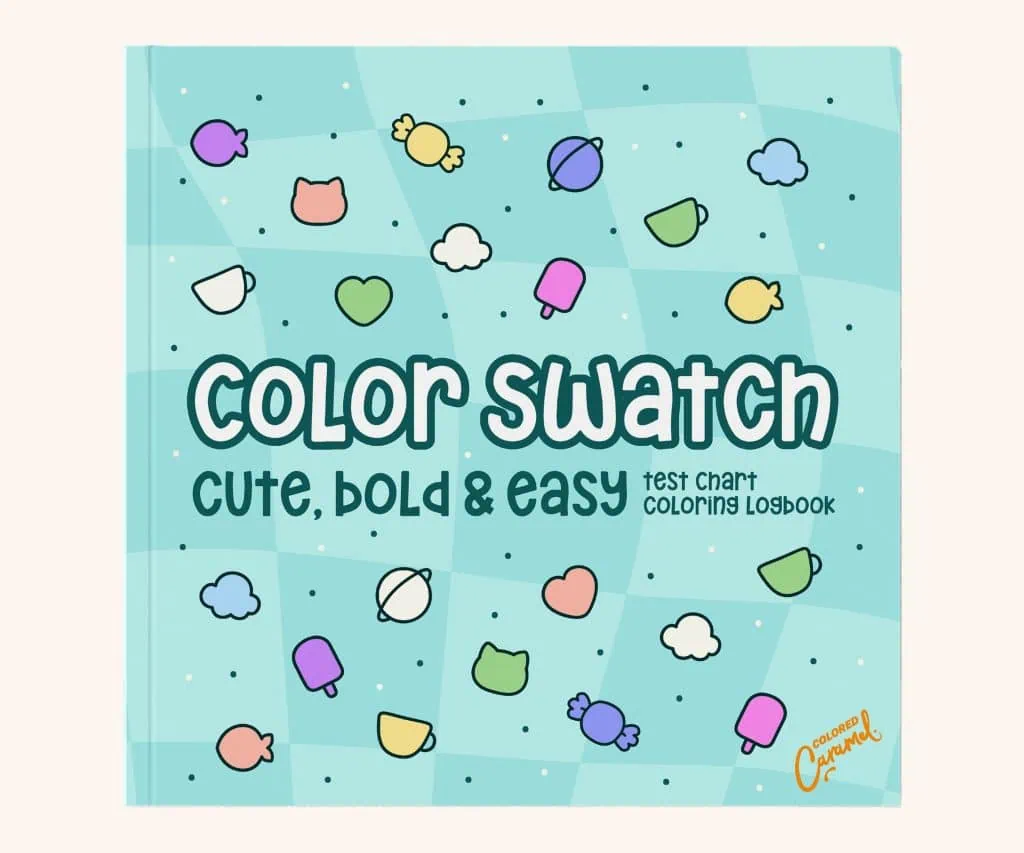
Color Swatch: Cute, Bold & Easy Test Chart Coloring Book
Price range: 7.99 $ through 9.99 $ -
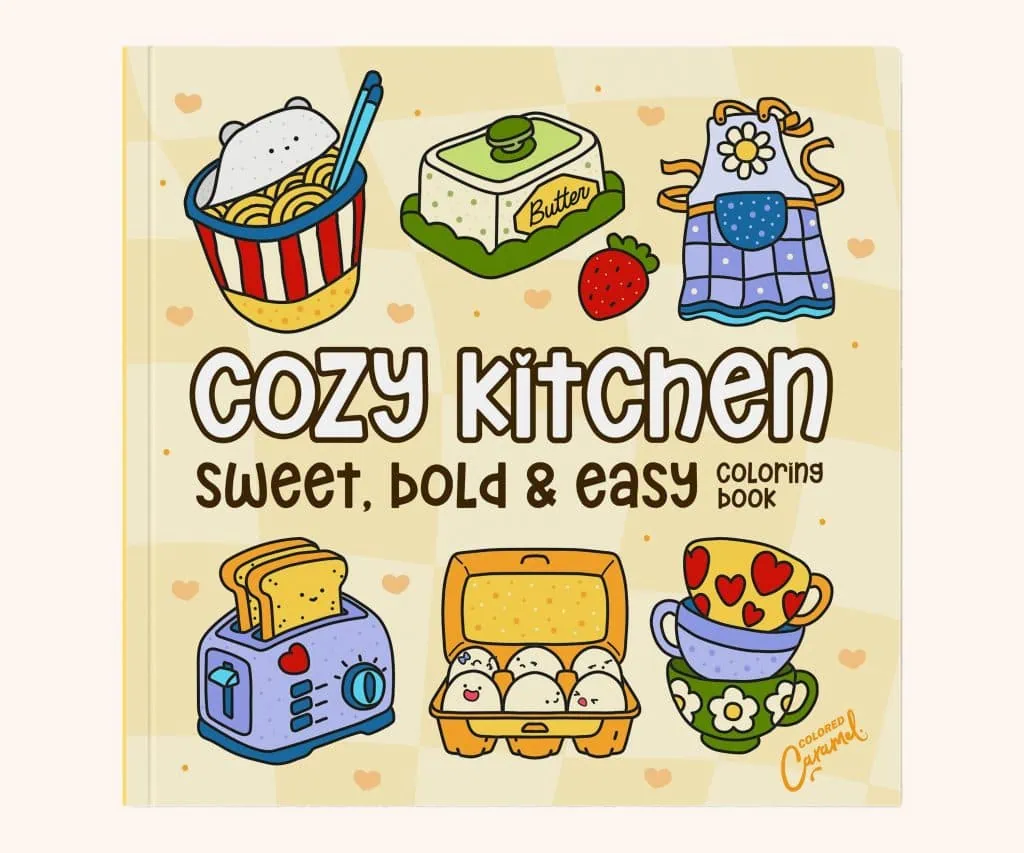
Cozy Kitchen: Sweet, Bold & Easy Coloring Book
7.99 $ -
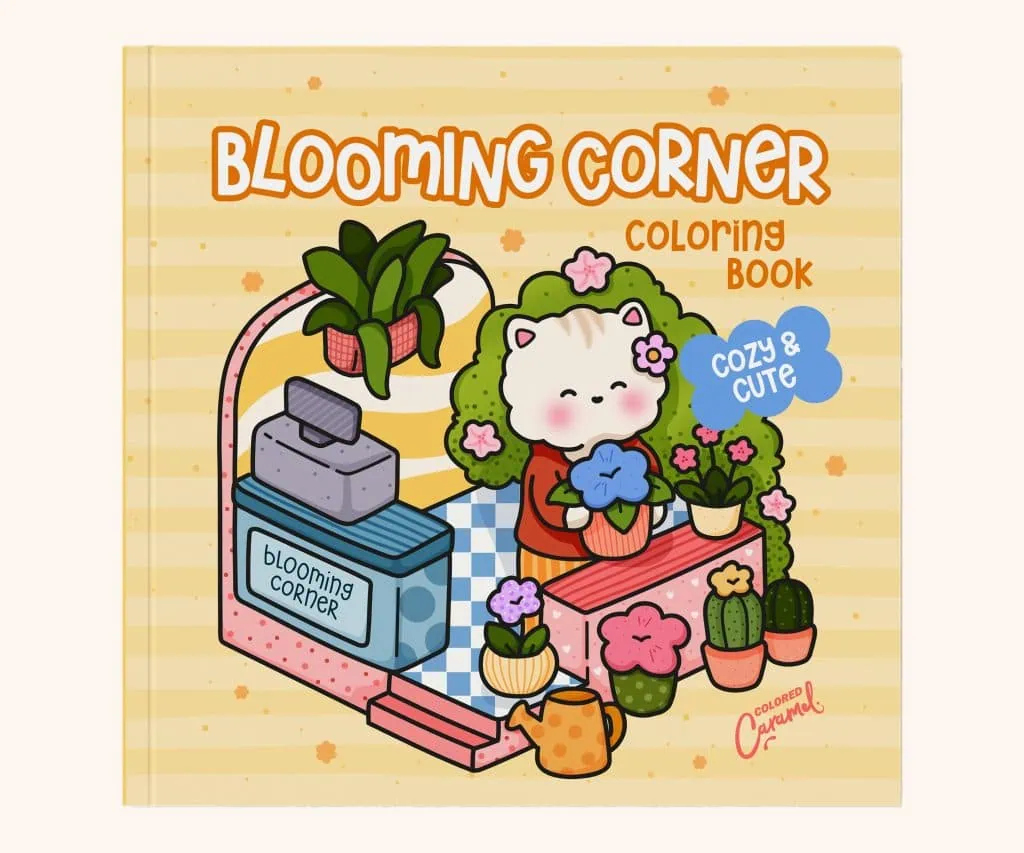
Floral Coloring Book: Blooming Corner
7.99 $
Shop the books
Sweet Days Cute & Cozy Coloring Book: Comfy Relaxation for Adults and Teens
Price range: 7.99 $ through 9.99 $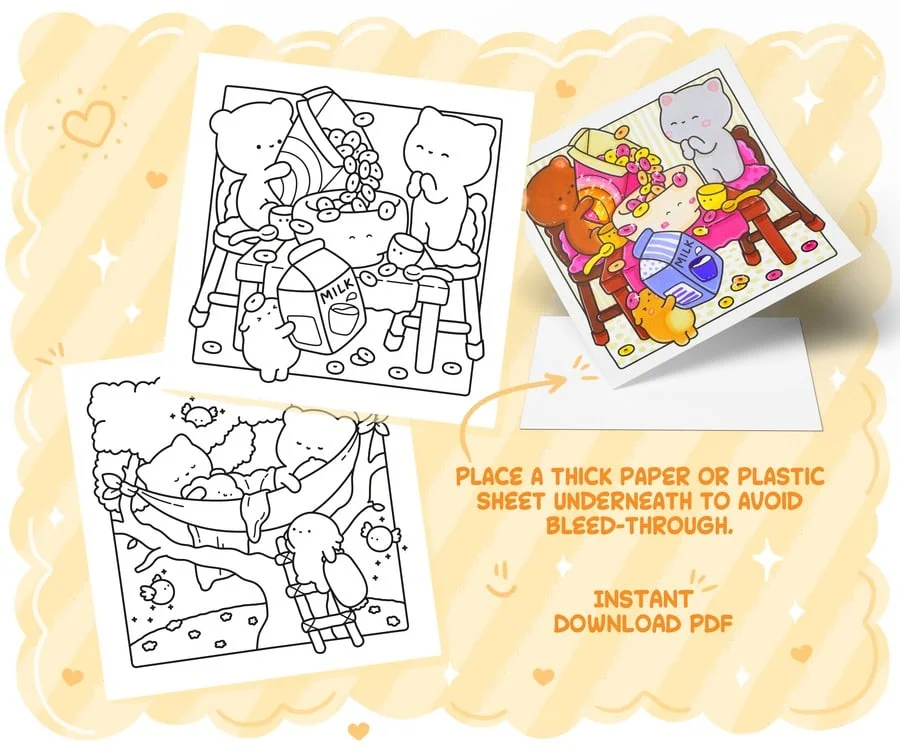
Cute Kawaii Coloring Pages: Kawaii Daydream:
Price range: 7.99 $ through 9.99 $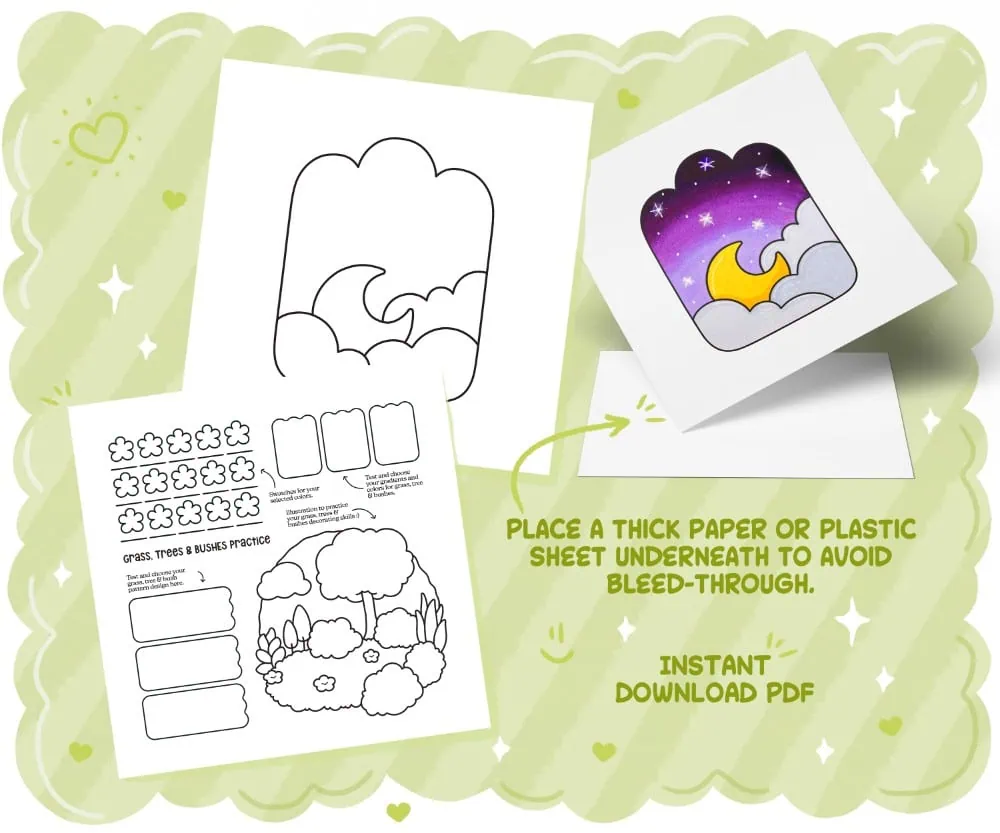
Practice Coloring Pages: Your Coloring Time Workbook to Train & Perfect Your Skills
Price range: 7.99 $ through 9.99 $